

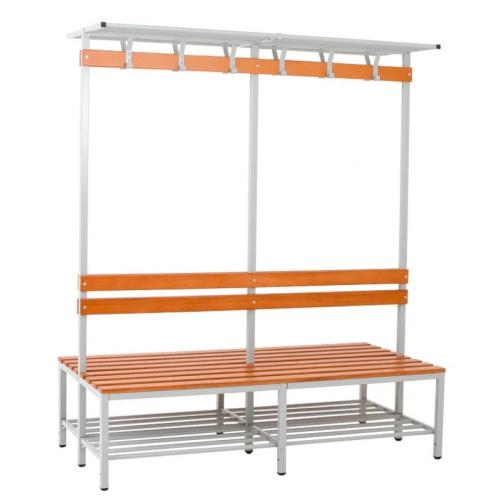
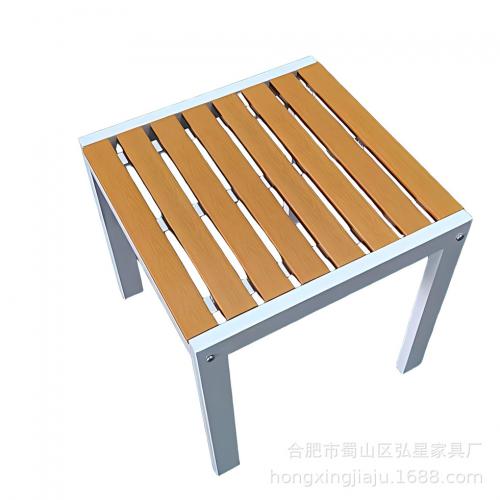
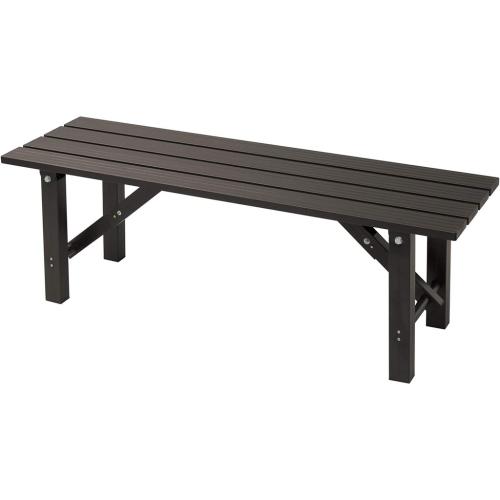
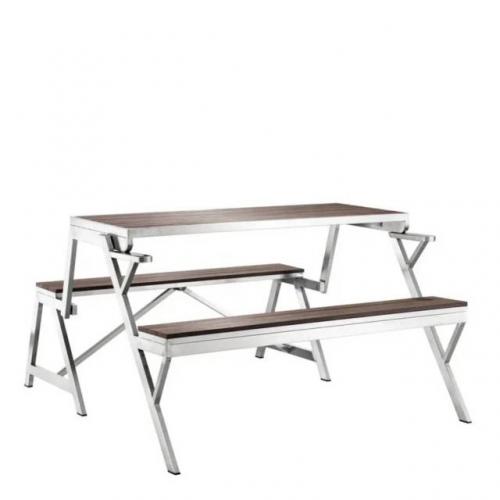
How to Secure Your Outdoor Bench: Safety, Stability, and Anti‑Theft Tips
A heavy gust of wind or an uneven surface can turn a beautiful bench into a safety hazard. Securing your bench properly not only prevents accidents but also deters theft and keeps your furniture exactly where you want it.
When You Need to Secure a Bench
-
Windy regions – Lightweight benches (aluminum, plastic) can tip over or blow away.
-
High‑traffic public areas – If your bench is on a rental property or a frequently used shared patio, anchoring prevents shifting.
-
Uneven ground – Grass, gravel, or sloping patios can make benches wobble.
-
Theft prevention – Even residential benches can walk away if not anchored.
Method 1: Anchoring with Ground Brackets
The most permanent solution uses concrete anchors.
-
Choose the right bracket – L‑shaped or foot‑mount brackets designed for outdoor use (stainless steel or galvanized).
-
Position the bench – Mark the leg positions on the ground.
-
Drill and anchor – For concrete or stone, use a hammer drill and masonry anchors. For wood decks, use stainless steel lag bolts that reach the joists.
-
Attach the bench – Bolt the bench legs to the brackets.
Best for: Concrete patios, stone pavers, decks.
Method 2: Weighted Solutions (Non‑Permanent)
If you don’t want to drill into your patio, add mass.
-
Sandbags – Place decorative sandbags over the bench feet or inside base compartments if available.
-
Heavy planters – Position large, heavy planters on either side of the bench, especially if the bench has open legs that you can bolt to the planter frames.
-
Rubber mats with grip – For smooth surfaces, anti‑slip mats under the legs reduce sliding.
Method 3: Ground Stakes
For benches placed on grass or soil:
-
Use auger‑style ground anchors or metal stakes with U‑bolts. Drive stakes into the ground next to each leg, then secure the leg to the stake using a galvanized bracket and bolts.
Safety Tips for Wood Decks
-
Avoid drilling through deck boards only – Always fasten into the joists below for a strong hold.
-
Use stainless steel hardware – Galvanized or coated screws will rust over time and weaken the connection.
-
Leave a gap – If using brackets, allow a small gap for water drainage to prevent rot.
Anti‑Theft Considerations
-
Use tamper‑proof screws – Security screws with unique heads make removal difficult without special tools.
-
Locking cables – Thread a heavy‑duty cable through the bench frame and around a fixed object (tree, deck post), then secure with a padlock.
A well‑secured bench stays safe, stable, and exactly where you intended it, giving you peace of mind through all seasons.
Join us and get detail information,technical parameter and new products etc.
- Contact Us
 luchao8674@163.com
 Hxjiaju
 +8618019962513